Do’s and Don’ts After IUI Procedure to Achieve Pregnancy
Introduction
Intrauterine Insemination (IUI) is a commonly used fertility treatment that helps couples struggling to conceive naturally. It involves placing specially prepared sperm directly into the uterus around the time of ovulation to increase the chances of fertilization.While the IUI procedure itself is simple and painless, what you do after IUI plays an important role in improving pregnancy success. Proper care, lifestyle habits, and emotional balance after IUI can positively impact implantation and early pregnancy.This article explains what to do and what to avoid after IUI, along with the causes of IUI failure, symptoms, prevention tips, and treatment options, in an easy-to-understand way.
Causes Affecting Pregnancy Success After IUI
Several factors can affect whether pregnancy occurs after IUI:
1. Hormonal Imbalance
Low progesterone levels after ovulation can make it difficult for the embryo to implant properly.
2. Poor Egg or Sperm Quality
Even with IUI, poor egg quality or low sperm motility can reduce success rates.
3. Incorrect Timing of IUI
If IUI is not done close to ovulation, fertilization may not occur.
4. Uterine or Tubal Issues
Fibroids, polyps, or partially blocked fallopian tubes may interfere with implantation.
5. Stress and Lifestyle Factors
High stress, smoking, alcohol consumption, and unhealthy diet can negatively impact fertility after IUI.
Symptoms After IUI – What Is Normal?
After IUI, women may experience mild symptoms. Most of these are normal and not a cause for concern.
Common Normal Symptoms:
- Mild lower abdominal cramps
- Light spotting for 1–2 days
- Breast tenderness
- Bloating
- Mild fatigue
Possible Early Pregnancy Symptoms:
- Missed period
- Nausea
- Increased urination
- Mood swings
- Mild implantation cramps (6–10 days after IUI)
⚠️ Important: Symptoms vary from woman to woman. Some women have no symptoms at all and still achieve pregnancy.
Do’s After IUI Procedure
Following the right steps after IUI can help improve implantation and pregnancy chances.
1. Take Proper Rest
You can resume normal daily activities, but avoid excessive physical strain for at least 24–48 hours.
2. Maintain a Healthy Diet
Eat a balanced diet rich in:
- Fruits and vegetables
- Whole grains
- Protein (eggs, pulses, lean meat)
- Healthy fats (nuts, seeds)
Foods rich in folic acid and iron are especially important.
3. Stay Hydrated
Drink plenty of water to support overall reproductive health.
4. Take Prescribed Medications Regularly
Doctors may prescribe progesterone supplements or other medications. Take them strictly as advised.
5. Maintain Positive Mental Health
Stress can affect hormonal balance. Practice:
- Deep breathing
- Meditation
- Light yoga
- Listening to calming music
6. Continue Normal Sexual Activity (If Advised)
In some cases, doctors recommend intercourse after IUI to increase chances of fertilization.
Don’ts After IUI Procedure
Avoiding certain activities is equally important after IUI.
1. Avoid Heavy Exercise
Intense workouts, running, or weight lifting should be avoided for at least a week.
2. Do Not Smoke or Drink Alcohol
Smoking and alcohol reduce implantation chances and affect hormone levels.
3. Avoid Hot Baths and Saunas
High body temperature can interfere with implantation.
4. Do Not Take Unprescribed Medicines
Avoid painkillers or herbal supplements without consulting your doctor.
5. Avoid Stress and Overthinking
Constantly worrying about results can increase cortisol levels, affecting fertility.
Prevention Tips to Improve IUI Success
1. Follow Doctor’s Instructions Carefully
Every fertility plan is personalized. Adhering to medical advice is essential.
2. Maintain a Healthy Weight
Both overweight and underweight conditions can affect ovulation and implantation.
3. Limit Caffeine Intake
Reduce coffee, tea, and soft drinks to improve hormonal balance.
4. Get Adequate Sleep
Aim for 7–8 hours of quality sleep daily to support hormonal regulation.
5. Regular Follow-Ups
Attend all scheduled follow-ups and blood tests as advised.
Treatment Options If IUI Is Not Successful
If pregnancy does not occur after one IUI cycle, there is no need to panic. Many couples conceive after multiple attempts.
1. Repeat IUI Cycles
Doctors may suggest 3–6 IUI cycles depending on age and fertility condition.
2. Ovulation Induction
Fertility medicines may be adjusted to improve egg quality and ovulation.
3. Hormonal Support
Progesterone or other hormone therapies may be optimized.
4. Advanced Fertility Treatments
If IUI fails repeatedly, options like:
- IVF (In Vitro Fertilization)
- ICSI (Intracytoplasmic Sperm Injection)
may be recommended.
When to Take a Pregnancy Test After IUI
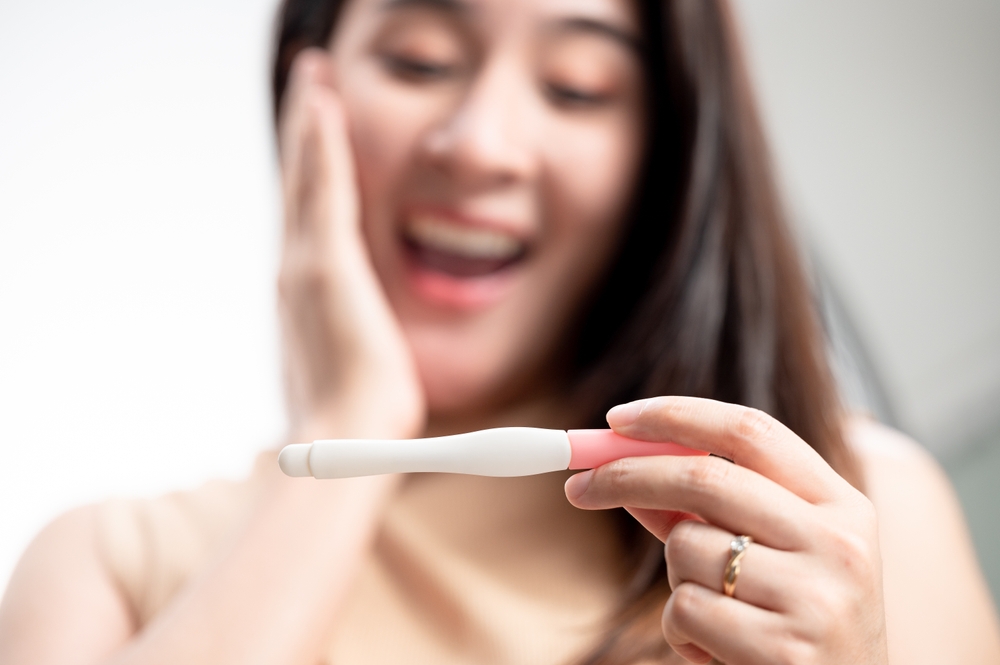
- A pregnancy test should be done 14 days after IUI
- Testing too early may give false results due to hormonal injections
Conclusion
The IUI procedure is just one step in the fertility journey. Post-IUI care, lifestyle habits, emotional balance, and patience play a crucial role in achieving pregnancy.
By following the correct do’s and don’ts, maintaining a healthy lifestyle, and staying positive, couples can significantly improve their chances of success. Even if one cycle does not work, modern fertility treatments offer many effective options.
✨ Trust the process, follow medical advice, and take care of your body and mind.