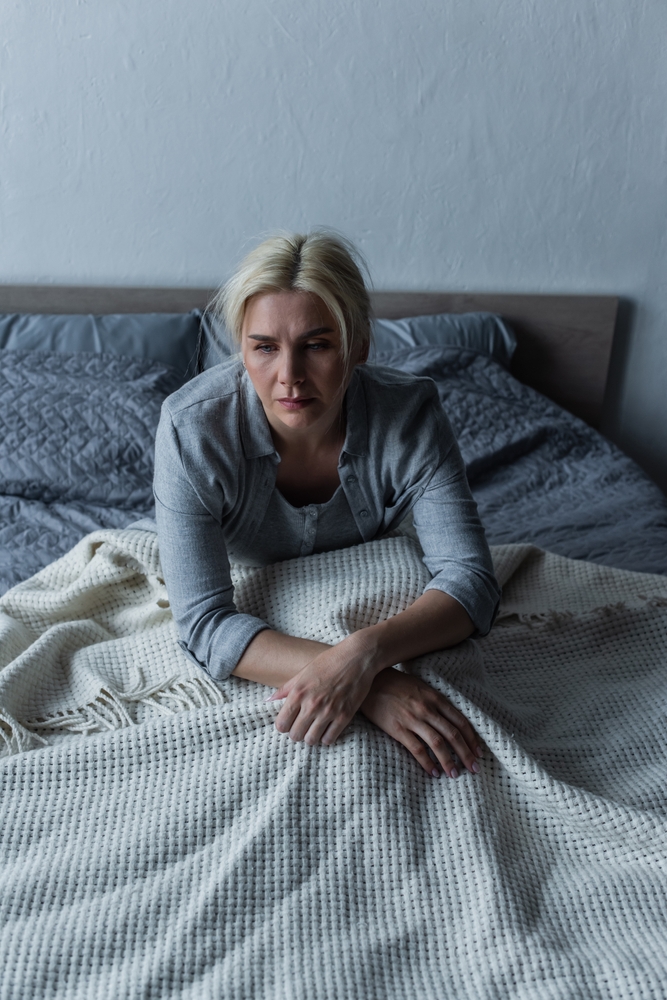
Support for your changing health
Menopause – Understanding the Changes in a Woman's Body
Menopause is a natural stage of life that marks the permanent end of menstrual periods. It does not happen suddenly for most women. The years leading up to menopause are known as perimenopause, during which hormone levels can fluctuate and menstrual cycles may become irregular.
The average age of menopause is around 51, although the timing varies between women.
Menopause is not an illness. However, hormonal changes can cause symptoms that affect sleep, mood, daily comfort, sexual health and overall quality of life.
Understanding these changes can help women feel more informed and supported through every stage of life.
Understanding Menopause
Every woman's experience is different. Understanding the changes that happen before and during menopause can help you recognise symptoms and make informed decisions about your health.
What Is Perimenopause?
Perimenopause is the transition period before menopause. During this phase, ovarian hormone levels fluctuate, and menstrual cycles may gradually change.
Periods may become irregular, heavier, lighter, more frequent or less frequent. Some women may also experience other physical and emotional changes during this time.
Common Symptoms of Menopause
Menopause symptoms vary significantly. Some women experience only a few changes, while others notice several symptoms that may affect their daily comfort.
Hot Flashes
Sudden feelings of warmth that may cause sweating or discomfort.
Night Sweats
Episodes of sweating at night that may disturb restful sleep.
Period Changes
Menstrual cycles may become irregular before periods stop.
Sleep Difficulties
Difficulty falling asleep or staying asleep through the night.
Mood Changes
Changes in mood, emotional wellbeing or feelings of irritability.
Vaginal Dryness
Dryness, irritation or discomfort related to hormonal changes.
Intimacy Changes
Pain during intercourse or a reduction in sexual desire.
Fatigue & Focus
Tiredness, difficulty concentrating or changes in mental clarity.
Urinary Changes
Changes in urinary comfort or other vaginal and urinary symptoms.
Remember: Not every woman experiences all these symptoms. Their type, intensity and duration can differ from person to person.
Menopause and Vaginal Health
Reduced estrogen levels can affect vaginal tissues and lead to dryness or discomfort. These changes may influence everyday comfort, intimacy and overall quality of life.
Some women may experience:
- ✓ Vaginal dryness
- ✓ Burning or irritation
- ✓ Pain or discomfort during intercourse
- ✓ Changes in urinary symptoms
You don't have to ignore the discomfort. Effective treatment options are available depending on your symptoms, medical history and individual needs.
Supporting Your Health Through Menopause
From intimate wellness to symptom management, understanding your options can help you make informed decisions about your health during perimenopause and beyond.
Menopause and Sexual Health
Hormonal changes may influence sexual desire and comfort. Vaginal dryness or painful intercourse can lead to avoidance of sexual activity, while sleep problems, stress and mood changes can also influence libido.
These concerns are personal, but you do not have to manage them alone. Discussing symptoms openly with a gynaecologist can help identify suitable treatment options.
Open conversations about intimate health can help you explore care options suited to your symptoms and needs.
What to Know About Hormone Therapy
Hormone therapy may help relieve certain menopause and perimenopause symptoms. The appropriate approach depends on your health, symptoms and individual risk factors.
Relief from Hot Flashes
Systemic estrogen therapy is particularly effective for hot flashes and night sweats in suitable patients.
Vaginal Symptom Relief
Estrogen treatment, including appropriate local options, may help relieve vaginal dryness and related discomfort.
Individual Assessment
Age, symptoms, medical and reproductive history, and individual risks all help guide treatment decisions.
Hormone therapy is not suitable for everyone. Women with a uterus who use systemic estrogen generally also need progestin to help protect the uterine lining. Women without a uterus may be prescribed estrogen alone, depending on their individual situation. Discuss benefits, risks and alternatives with your gynaecologist before starting treatment.
Lifestyle Habits for a Healthier Transition
Healthy habits can support overall wellbeing during the menopause transition. They may not eliminate symptoms, but they can help support general health and daily comfort.
Regular physical activity
Balanced nutrition
Adequate, restful sleep
Avoiding smoking
Limiting excessive alcohol
Maintaining a healthy body weight
Regular medical check-ups
Wellbeing
Care for your body, mind and health.
Bleeding After Menopause
Once you have gone 12 months without a menstrual period, any subsequent vaginal bleeding should be evaluated by a healthcare professional. Even light spotting should not be ignored.
Postmenopausal bleeding can have several causes, some of which require medical evaluation. Seek prompt medical advice rather than assuming it is a normal part of menopause.
When Should You Consult a Gynaecologist?
Consider seeking professional advice when symptoms affect your daily routine, comfort or emotional wellbeing.
Menopause symptoms interfere with daily life
Hot flashes are severe or difficult to manage
Sleep is repeatedly disturbed
You experience significant vaginal dryness
Sexual intercourse becomes painful
Mood symptoms affect your wellbeing
Do not ignore bleeding after menopause. Any vaginal bleeding after 12 months without periods needs medical evaluation.
Menopause Is Natural. Your Wellbeing Matters.
Menopause is a natural transition, but women do not have to silently tolerate symptoms that affect their quality of life. A personalised consultation can help identify the changes you are experiencing, discuss appropriate treatment options and support your health throughout perimenopause and beyond.
Speak With Our Team →